.png)
What is MS?
Multiple Sclerosis (MS) is a condition that affects the brain and spinal cord.
Over 150,000 people
About 135 people diagnosed each week
3x more common for women
About MS
MS happens when the immune system mistakenly attacks the protective layer around nerves (called myelin). When that layer is damaged, messages between the brain and body don’t travel properly.
That disruption is what causes symptoms.
MS affects everyone differently. There isn’t one single “MS experience.”

What actually happens in the body?
Your brain and spinal cord make up your central nervous system. They send messages to the rest of your body - telling muscles to move, helping you feel sensations, controlling balance, vision and more.
In MS:
- The immune system attacks the protective coating around nerves
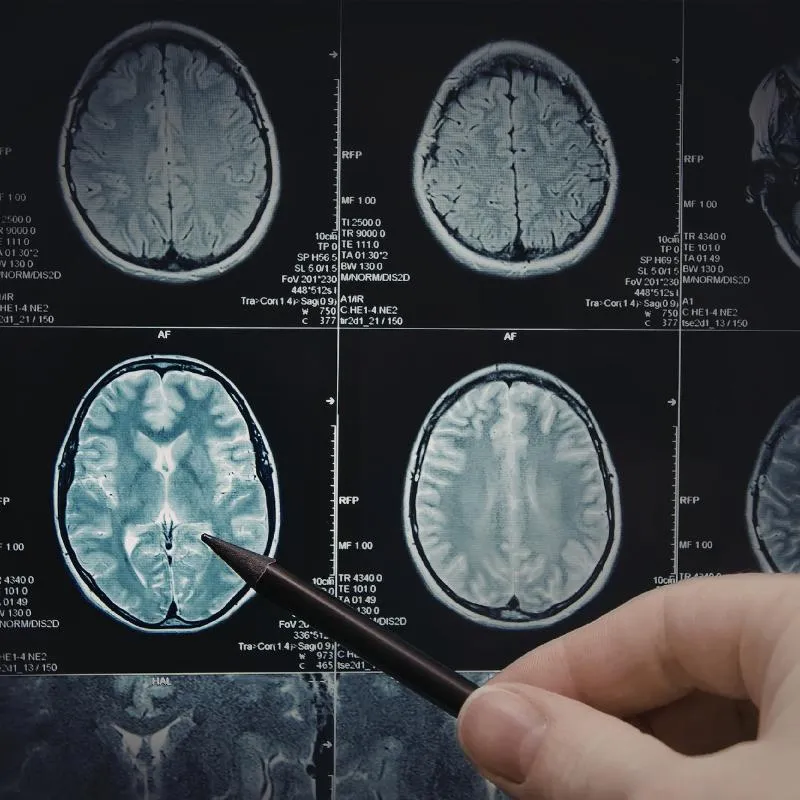
- This causes inflammation and small areas of damage (often called lesions)
- Nerve signals become slower or disrupted
That’s why symptoms can vary so much from person to person.
Some symptoms are visible. Many aren’t. MS is often described as an invisible condition, and that can be one of the hardest parts. Some symptoms include:
Fatigue
Numbness or tingling
Changes in vision
Muscle stiffness or spasms
Balance problems
Brain fog or cognitive changes
Bladder or bowel issues
Who does MS affect?
MS is most commonly diagnosed between the ages of 20 and 40. In the UK, over 150,000 people live with MS, and around 7,000 people are diagnosed each year. That means many people are navigating MS alongside:

Careers

Relationships

Parenthood
.svg)
Financial independence

Big life decisions
It’s not something that only affects older adults.
Is MS progressive?
There are different types of MS:
Relapsing-remitting MS (RRMS)
Secondary progressive MS (SPMS)
Primary progressive MS (PPMS)
Some people experience relapses followed by recovery. Some experience gradual progression.Your neurologist will explain what type you have and what that means for you. But statistics don’t define your individual future. MS looks different for everyone.


Is there a cure?
There isn’t currently a cure for MS. But treatments have improved significantly over the last 20 years.
Many people take disease-modifying therapies (DMTs) to reduce relapses and slow progression. There are also treatments and strategies to manage symptoms and protect quality of life.
MS today doesn’t look like it did decades ago.
The emotional side of MS
MS isn’t just physical. Being diagnosed, especially in your 20s or 30s, can feel overwhelming. You might feel:
Shock, disbelief and anger
Overwhelm and confusion
Fear and anxiety
Relief at having answers
Grief and sadness
All of that is normal. Understanding MS medically is one thing. Learning how to live alongside it is another.


.svg)
Looking for support?
If you’re 18–35 and living with MS, you don’t have to navigate this alone.
We bring young adults together through peer support, counselling and connection - because MS is part of your life, not the whole of it.